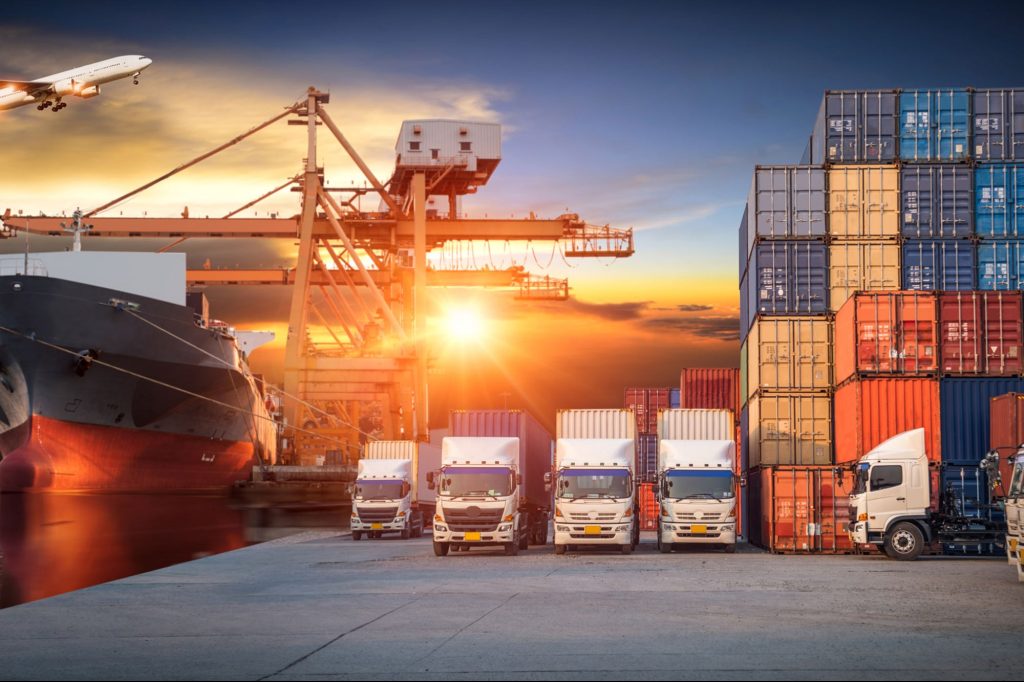
The freight industry is undergoing a seismic shift, driven by technological advancements in automation and artificial intelligence (AI). This transformation is reshaping the landscape of logistics, offering unprecedented opportunities for efficiency, cost reduction, and improved service delivery. In this blog, we’ll delve into the impact of automation and AI on the South African freight industry and explore how small businesses can harness these technologies to thrive.
The South African Freight Industry: A Snapshot
South Africa’s freight industry is a vital cog in the economic machinery, supporting trade, agriculture, and manufacturing sectors. However, the industry has historically grappled with inefficiencies, infrastructure challenges, and rising costs. The introduction of automation and AI presents a promising avenue for addressing these issues and enhancing the industry’s competitiveness.
The Role of Automation and AI in Freight
- Autonomous Vehicles: While fully autonomous trucks may still be a few years away, semi-autonomous features like adaptive cruise control, lane-keeping assist, and emergency braking are already being implemented. These technologies improve safety, reduce accidents, and enhance fuel efficiency.
- Warehouse Automation: Robotics and automated guided vehicles (AGVs) are transforming warehouse operations,optimizing inventory management, order fulfillment, and picking and packing processes.
- Data Analytics and AI: AI-powered algorithms analyze vast amounts of data to optimize routes, predict demand,and identify potential disruptions. This enables freight companies to make data-driven decisions and improve operational efficiency.
- Predictive Maintenance: AI can predict equipment failures, allowing for proactive maintenance and reducing downtime.
- Supply Chain Optimization: AI-driven platforms can optimize supply chains, improving visibility, reducing costs,and enhancing customer satisfaction.
The South African Landscape
While South Africa is still in the early stages of adopting automation and AI in freight, there are encouraging signs of progress:
- Infrastructure Development: Investments in roads, ports, and digital infrastructure are laying the groundwork for automation and AI adoption.
- Pilot Projects: Several companies are piloting autonomous vehicle and drone delivery projects, demonstrating the potential of these technologies.
- Government Support: The government is recognizing the importance of technology in the freight industry and is taking steps to create a conducive environment for innovation.
How Small Freight Businesses Can Leverage Automation and AI
Small freight businesses may feel overwhelmed by the prospect of adopting advanced technologies. However, there are practical steps they can take to benefit from automation and AI:
- Cloud-Based Software: Invest in cloud-based freight management software that offers features like route optimization, load planning, and real-time tracking.
- Data Analysis: Utilize data analytics to identify trends, improve efficiency, and make informed decisions.
- Partner with Larger Companies: Collaborate with larger freight companies that have invested in automation and AI to access their technology and expertise.
- Skill Development: Train employees on data analysis, digital tools, and emerging technologies.
- Embrace Technology Adoption: Stay updated on the latest trends and be open to adopting new technologies as they become more accessible and affordable.
Challenges and Opportunities
While the potential benefits of automation and AI are significant, challenges such as infrastructure limitations, data privacy concerns, and the need for skilled labor must be addressed. However, these challenges also present opportunities for innovation and entrepreneurship.
The future of freight in South Africa is bright. By embracing automation and AI, freight businesses can enhance their competitiveness, improve service quality, and contribute to the country’s economic growth.
Conclusion
The South African freight industry stands at the precipice of a transformative era, driven by the convergence of automation and artificial intelligence. While challenges such as infrastructure development and skills shortages persist, the potential benefits for businesses of all sizes are undeniable. By embracing these technologies, freight companies can streamline operations, reduce costs, enhance customer satisfaction, and contribute to a more efficient and sustainable supply chain.
As the industry continues to evolve, it’s imperative for businesses to stay informed, adapt to change, and invest in the necessary skills and infrastructure. The future of freight in South Africa is bright, and those who harness the power of automation and AI will be well-positioned to lead the way.